

Buying your first home in Scotland is genuinely exciting: but it's also a bit different from what you might expect if you've been reading property advice from elsewhere in the UK. The Scottish property market has its own rules, its own rhythm, and its own way of doing things. Understanding these differences from the start will save you time, stress, and potentially money.
At Keller Williams Scotland, we've guided hundreds of first time buyers through this process, and we've noticed the same questions and concerns come up time and again. So whether you're just starting to think about homeownership or you're already browsing listings online, here are ten essential things every first time buyer in Scotland should know.
1. The Scottish Property System Works Differently
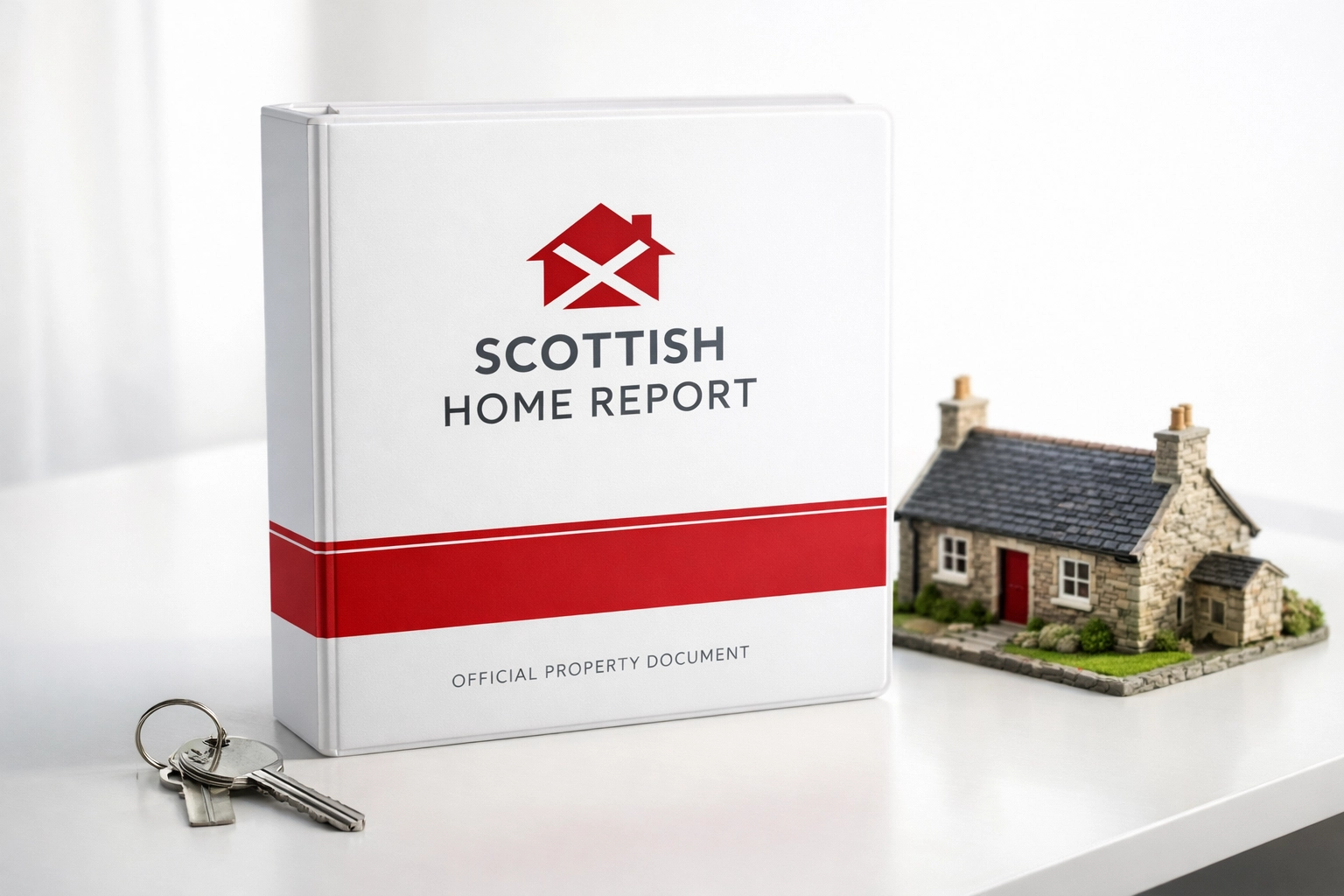
Let's start with the big one: buying property in Scotland isn't the same as buying in England or Wales. The most significant difference? Home Reports. Every property for sale must have a Home Report prepared before it goes on the market. This comprehensive document includes a survey, valuation, and energy report: all provided upfront by the seller.
This is brilliant news for you as a buyer. You get proper transparency before you even make an offer, which means fewer nasty surprises down the line. You'll know about any significant issues with the property before you commit, rather than discovering them weeks into the process.
2. "Offers Over" Doesn't Mean What You Think It Means
You'll see "Offers Over" plastered across most property listings in Scotland, and it can be confusing at first. It doesn't mean you simply offer slightly more than the asking price and call it a day. In reality, properties often sell for more: sometimes considerably more: than the "Offers Over" figure, especially in competitive areas like Edinburgh or Glasgow.
Think of the "Offers Over" price as a starting point. The actual selling price will depend on market conditions, the property's condition, and how many other buyers are interested. Your solicitor will advise you on what constitutes a realistic offer based on comparable sales in the area.
3. Get Your Finances Sorted Before You Start Viewing
This might sound obvious, but you'd be surprised how many first time buyers fall in love with a property only to realise they haven't properly worked out what they can afford. Your budget isn't just about the purchase price: you need to account for your deposit, solicitor fees, Land and Buildings Transaction Tax (LBTT) if the property costs over £145,000, mortgage arrangement fees, survey costs (if you want one beyond the Home Report), removal costs, and a buffer for furniture and immediate repairs.
Speak with a mortgage adviser early in the process to get a clear picture of what you can borrow and what your monthly payments will look like. This isn't just about securing finance: it's about making sure you're comfortable with the commitment you're taking on.
4. An Agreement in Principle Is Your Secret Weapon
Before you start making offers, get an Agreement in Principle (also called a Decision in Principle or mortgage in principle) from a lender. This document shows sellers and estate agents that you're a serious buyer with the financial backing to complete a purchase.
In competitive markets, having this ready can make the difference between securing your dream home and losing out to another buyer. Well-priced properties attract strong interest quickly in Scotland, and being able to move fast is a genuine advantage. At Keller Williams Scotland, we always recommend our clients have their finances and solicitor lined up before they start viewing: it puts you in the strongest possible position.

5. Location Affects More Than Just Your Commute
Choosing where to buy is about more than finding a property you like. Consider transport links, local amenities, school catchment areas if you're planning a family, and the general character of the neighbourhood. In 2026, we're seeing many first time buyers widening their search to commuter towns and emerging areas where they can get more space and value whilst maintaining good connectivity to city centres.
Don't just visit a property once during the day. Pop back at different times: weekday evenings, weekend mornings: to get a real feel for the area. Check out the local shops, cafes, and transport options. You're not just buying a house; you're buying into a community.
6. Future Developments Can Impact Your Investment
Smart first time buyers look beyond the here and now. Are there regeneration projects planned for the area? New transport links? Housing developments? These can significantly impact both your day-to-day life and the long-term value of your property.
Check your local council's planning portal to see what's in the pipeline. Sometimes upcoming developments are positive: a new train station or improved facilities. Other times, they might be less welcome. Either way, it's better to know before you buy rather than discover later.
7. Homeownership Costs Don't Stop at the Purchase Price
Renting might feel expensive, but homeownership brings its own ongoing costs that you need to budget for. Council tax, buildings and contents insurance, utilities, maintenance, and repairs all add up. If you're buying a flat, you'll also pay factoring fees for the maintenance of common areas.
Start building a maintenance fund from day one. Boilers break down, roofs need repairs, and appliances eventually need replacing. Having a financial cushion means these inevitable costs won't throw your budget into chaos. A good rule of thumb is to set aside 1-2% of your property's value each year for maintenance and repairs.

8. Understanding Your First Time Buyer Status Opens Doors
In Scotland, you're considered a first time buyer if you've never owned a residential property anywhere in the world. This status gives you access to support schemes designed to make homeownership more achievable. The Scottish Government offers initiatives like the Low-cost Initiative for First Time Buyers (LIFT) shared equity scheme, which can help reduce upfront costs.
If you're between 18 and 39, consider opening a Lifetime ISA. You can save up to £4,000 per year and receive a 25% government bonus on top. It's essentially free money towards your deposit, though there are rules about when and how you can access it, so make sure you understand the terms.
9. Your Solicitor Is Worth Their Weight in Gold
In Scotland, solicitors handle almost all property transactions, and finding a good one is crucial. They'll conduct searches, handle the legal paperwork, submit your offer, and guide you through the entire process. Unlike in some parts of the UK, your solicitor in Scotland typically takes on both the legal work and much of what an estate agent might do elsewhere.
Don't just pick the cheapest option. Ask friends and family for recommendations, read reviews, and interview a few before making your choice. A responsive, experienced solicitor who explains things clearly is invaluable during what can be a stressful process. They should make you feel supported, not confused or rushed.
10. Closing Dates and Sealed Bids Add Pressure (But You Can Handle It)
When a property generates significant interest, sellers often set a closing date: a deadline by which all offers must be submitted. This creates a competitive bidding situation where you won't know what others are offering. Your solicitor will guide you through this process, but it can feel nerve-wracking.
The key is preparation. If you've done your research, know the local market, have your finances sorted, and trust your solicitor's advice, you'll be in the best possible position to make a strong offer. Remember, there's no shame in losing out on a property: it simply means another one is waiting for you.
At Keller Williams Scotland, we take pride in putting our clients first throughout this journey. We know that buying your first home in Scotland is a significant milestone, and we're here to provide the bespoke guidance and support you need. Our approach focuses on education and empowerment: we want you to feel confident in every decision you make.
Your Next Steps
If you're a first time buyer in Scotland and feeling a bit overwhelmed, that's completely normal. The Scottish property market has its quirks, but once you understand the system, it actually offers some brilliant protections and transparency for buyers.
Take it step by step: get your finances reviewed, find a solicitor you trust, start researching areas that interest you, and browse current listings to get a feel for what's available in your price range. When you're ready to take the next step, our team at Keller Williams Scotland is here to answer your questions and support you through the process.
The journey to homeownership in Scotland might feel like a steep learning curve, but thousands of first time buyers navigate it successfully every year: and with the right preparation and support, you absolutely can too.
Leave a Reply