

If you’re buying or selling a property in Scotland, you’ve probably heard about the Home Report. It’s one of those things everyone mentions but few people actually explain properly. And here’s the thing: most buyers glance through it, miss the important bits, and end up surprised later.
So let’s change that. Whether you’re a first-time buyer trying to decode the jargon or a seller wondering what all the fuss is about, this guide will help you understand what a home report Scotland actually reveals: and what it doesn’t.
What Exactly Is a Home Report?
Since December 2008, every residential property listed for sale in Scotland must have a Home Report. It’s a legal requirement, and it exists to give buyers upfront, honest information about a property before they commit to viewings or offers.
The Home Report isn’t just a single document: it’s a pack of three:
- Single Survey and Valuation – A chartered surveyor inspects the property and provides a detailed condition report plus a market valuation.
- Energy Performance Certificate (EPC) – This rates the property’s energy efficiency and suggests improvements.
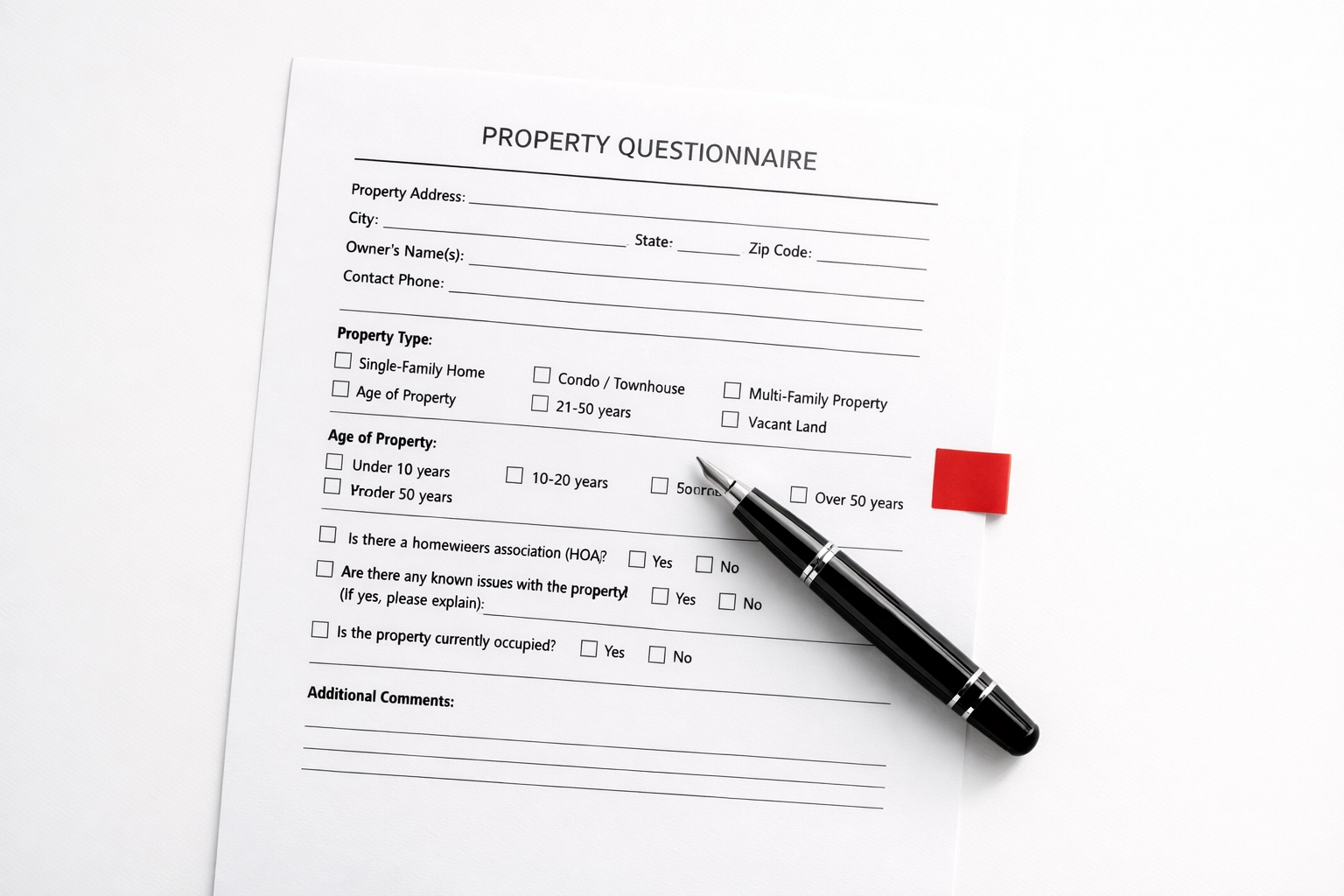
- Property Questionnaire – The seller completes this, covering everything from council tax band to building alterations and parking rights.
Together, these documents give you a snapshot of the property’s condition, value, and running costs. But here’s where it gets interesting: knowing how to read between the lines can save you thousands.

The Single Survey: Decoding the Categories
The Single Survey is the heart of the Home Report. A qualified surveyor visits the property, inspects everything from the roof to the foundations, and assigns ratings to different elements.
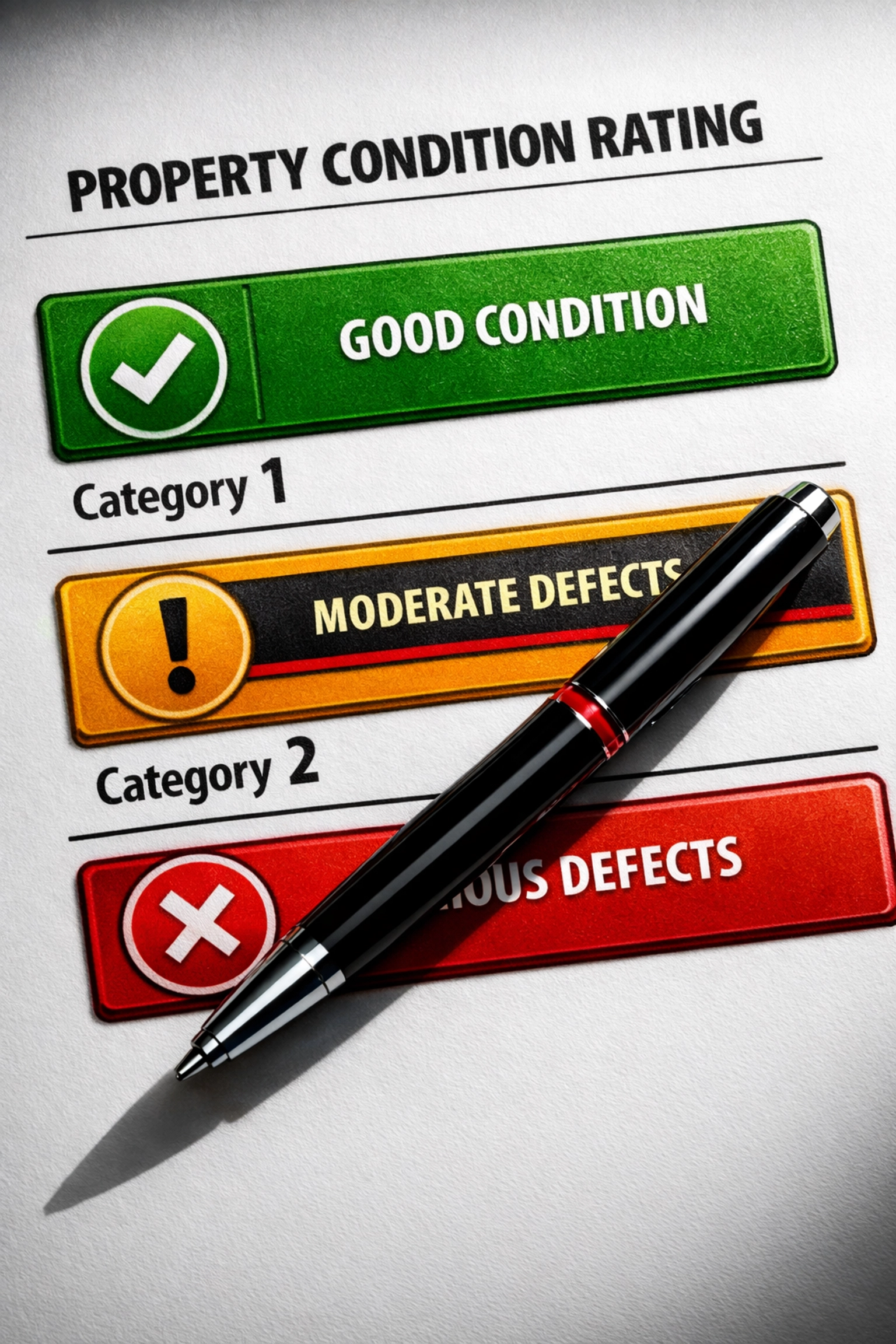
You’ll see three categories throughout the report:
- Category 1 (Green) – No immediate action needed. The element is in good condition.
- Category 2 (Amber) – Repairs or replacements may be needed in the future, but it’s not urgent.
- Category 3 (Red) – Urgent repairs required. This could affect the property’s value or your ability to secure a mortgage.
Here’s the secret: Category 2 issues are where you need to pay attention. A property with several Category 2 flags might look fine on the surface, but those “future repairs” can add up quickly. Think new boiler, rewiring, or roof work. If you’re not prepared, these costs can derail your budget.
At Keller Williams Scotland, we walk our clients through every section of the Home Report. We don’t just hand you a PDF and wish you luck: we explain what each rating means in real terms and how it might affect your offer or negotiations.
The Market Valuation: Is It Gospel?
The Home Report includes a market valuation from the surveyor. Many buyers assume this is the “true value” of the property, but it’s not quite that simple.
The valuation is based on comparable sales in the area and the property’s condition at the time of the survey. However, the property market moves quickly. If the report is a few months old, or if demand in the area has surged, the valuation might be outdated.
Here’s what seasoned agents know: the valuation is a guide, not a ceiling. In competitive markets like Glasgow or Edinburgh, properties often sell above the Home Report valuation: sometimes significantly. Equally, if a property has been on the market for a while, you might have room to negotiate below it.
Our team at Keller Williams Scotland keeps a close eye on local market trends. We’ll tell you honestly whether a property is priced fairly, overvalued, or if there’s an opportunity to make a strong offer below the asking price.
Reading the Energy Performance Certificate (EPC)
The EPC section often gets skimmed over, but it’s worth your time: especially with energy costs rising.
The EPC rates the property from A (most efficient) to G (least efficient) and estimates annual running costs. It also suggests improvements like better insulation, double glazing, or a more efficient heating system.
Here’s the insider tip: look at the potential rating, not just the current one. If a property currently sits at a D rating but could reach a B with relatively affordable upgrades (new boiler, loft insulation), you’re looking at a property with room to improve. That can be a smart investment.
On the flip side, if a property is rated F or G and the suggested improvements are expensive (full rewiring, solid wall insulation), factor those costs into your budget. You might save money upfront, but you’ll pay more in heating bills and renovation work down the line.
We often advise our buyers to weigh the EPC against their long-term plans. If you’re buying to let, energy efficiency matters even more: tenants increasingly expect lower running costs, and regulations around minimum energy standards are tightening.
The Property Questionnaire: What Sellers Reveal (and What They Don’t)
The Property Questionnaire is completed by the seller, so it’s a bit different from the surveyor’s objective report. It covers things like:
- Council tax band
- Alterations or extensions
- Guarantees for work carried out
- Shared access or common areas
- Parking rights
- Any ongoing disputes
This section is where you’ll find the human element of the property. Most sellers are honest, but occasionally details get missed: or glossed over.
Pay close attention to questions about alterations. If the seller extended the kitchen or converted the loft, check whether they obtained the proper building warrants and completion certificates. Missing paperwork can cause problems later, especially when you come to sell.
Also, look at the section on common repairs (if it’s a flat). Who’s responsible for the roof, the stairwell, the garden? Have there been any recent disputes with neighbours? These might seem minor, but they can affect your day-to-day living: and your resale value.

How Old Is Too Old?
By law, a Home Report must be no more than 12 weeks old when the property is first marketed. However, once it’s on the market, there’s no expiry date. In theory, a property could sit for six months with the same Home Report.
Most mortgage lenders, though, will only accept a Home Report that’s three to four months old. If it’s older, they’ll likely request a new survey before approving your mortgage.
As a buyer, it’s worth checking the date on the Home Report early. If it’s approaching the three-month mark and you’re serious about the property, ask the seller or their agent whether they’d be willing to commission an updated report. It’s not always necessary, but it can speed up the mortgage process.
What the Home Report Doesn’t Cover
Here’s something many buyers don’t realise: the Home Report isn’t exhaustive. The surveyor can only assess what’s visible and accessible on the day of the inspection.
That means:
- Hidden defects like damp behind fitted furniture or issues under floorboards might not be spotted.
- Flat roofs or shared areas in tenement buildings may only get a cursory look, especially if access is limited.
- Underground drainage and services aren’t usually tested in detail.
If you’re buying an older property, or if the Home Report flags multiple Category 2 issues, it might be worth commissioning your own specialist survey. A full structural survey or a damp and timber report can give you peace of mind: and negotiating power.
We always recommend that our clients weigh the cost of an additional survey against the potential risk. For a Victorian tenement or a rural cottage, it’s often money well spent.
How to Use the Home Report in Negotiations
This is where experience really counts. A skilled agent knows how to use the Home Report to your advantage: whether you’re buying or selling.
If you’re a buyer and the report highlights several Category 2 or 3 issues, you have grounds to adjust your offer. Maybe the boiler is on its last legs, or the roof needs attention. Factor in the cost of those repairs and make a realistic offer that reflects the true condition of the property.
If you’re a seller, don’t panic if the surveyor flags a few issues. Most properties have something. The key is to be upfront about it and, where possible, address urgent repairs before marketing. A well-maintained property with a clean Home Report will always attract more interest: and better offers.
At Keller Williams Scotland, we guide both buyers and sellers through this process with honesty and expertise. We’ve seen it all, from minor cosmetic issues to major structural concerns, and we know how to navigate negotiations so everyone walks away satisfied.
Why Expert Guidance Matters
The Home Report is a powerful tool, but it’s not a crystal ball. It tells you what the property looks like today: not what it could become, or how it fits into the wider market.
That’s where local knowledge and experience come in. Our team at Keller Williams Scotland works with buyers and sellers across Glasgow, Edinburgh, and beyond. We don’t just hand you a report and step back: we sit down with you, talk through the details, and help you make informed decisions.
Whether you’re trying to understand a Category 2 repair, wondering if an offer is fair, or weighing up energy efficiency improvements, we’re here to guide you every step of the way.
Final Thoughts
The home report Scotland system was designed to bring transparency to property transactions, and on the whole, it works. But like any system, you get the most value when you know how to use it properly.
Don’t just skim the headlines: dig into the details. Understand the categories, check the dates, read the Property Questionnaire carefully, and don’t be afraid to ask questions.
And if you’d like a second opinion or some expert advice on a Home Report you’ve received, get in touch with us. We’re always happy to help: whether you’re buying, selling, or just exploring your options.
Leave a Reply